Światła pozycyjne to jeden z podstawowych, a zarazem często niedocenianych elementów oświetlenia pojazdu. Choć nie rozświetlają drogi przed nami, pełnią kluczową funkcję informacyjną – sygnalizują innym kierowcom, że pojazd znajduje się na trasie i wskazują jego rozmiar. W artykule wyjaśniamy, czym są światła pozycyjne, kiedy należy je włączać, jak działają i jakie konsekwencje grożą za ich brak.
Czym są światła pozycyjne?
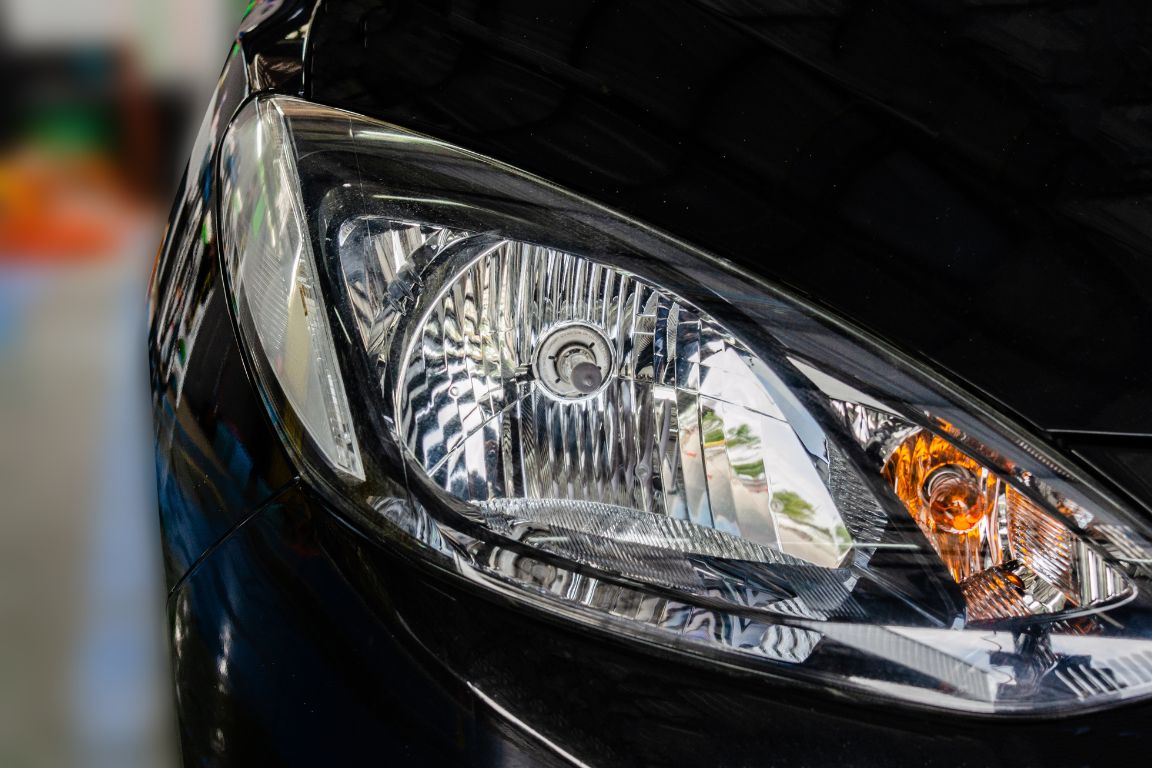
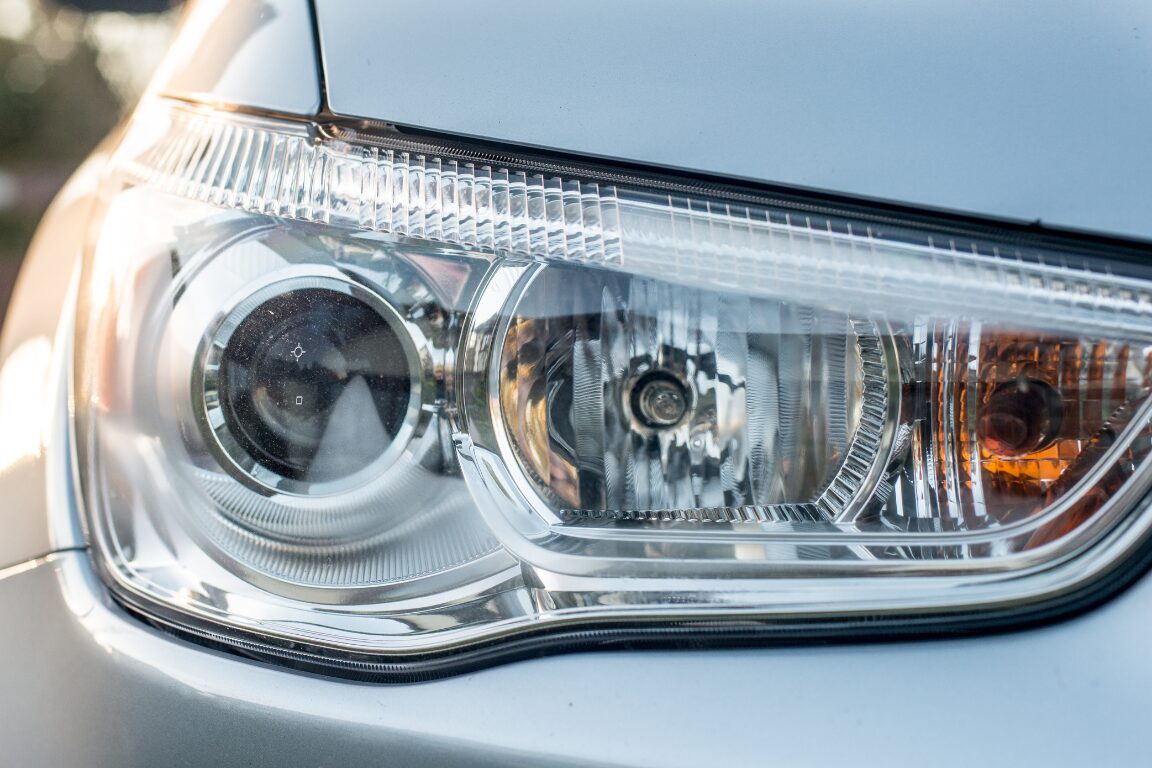
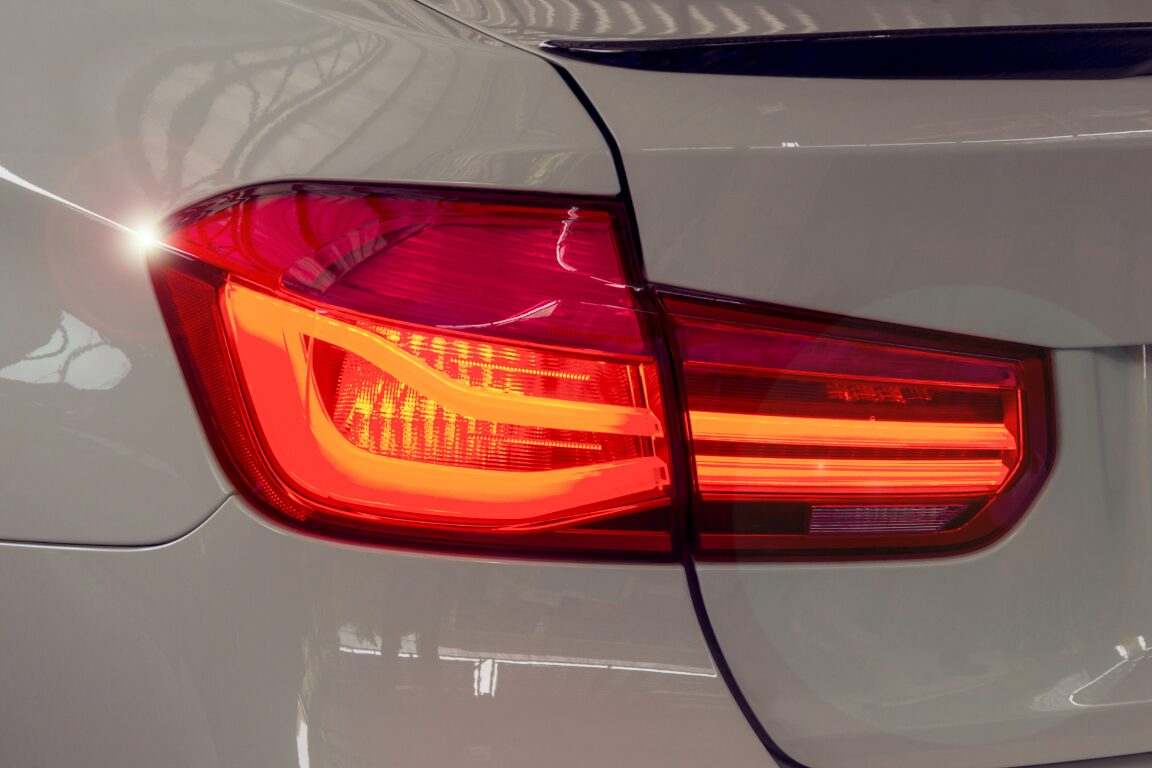
Światła pozycyjne, znane również jako światła obrysowe, stanowią nieodłączny element oświetlenia każdego pojazdu. Z przodu auta świecą na biało, a z tyłu na czerwono, wyraźnie sygnalizując zarówno obecność, jak i wymiary danego pojazdu. Ich światło powinno być widoczne z odległości do 300 metrów przy dobrych warunkach atmosferycznych.
Choć nie służą do oświetlania drogi, ich kluczową rolą jest informowanie innych uczestników ruchu o lokalizacji pojazdu. Ma to szczególne znaczenie w trudnych warunkach, takich jak mgła czy zapadający zmrok. Światła pozycyjne znacząco zwiększają bezpieczeństwo na drogach, umożliwiając kierowcom oszacowanie wielkości nadjeżdżającego pojazdu, co z kolei pomaga zminimalizować ryzyko kolizji.
W przypadku pojazdów, które przekraczają 6 metrów długości, obowiązkowe jest dodatkowe zamontowanie pomarańczowych bocznych świateł pozycyjnych. To rozwiązanie ułatwia jeszcze bardziej identyfikację gabarytów. Warto również pamiętać o różnicy między światłami pozycyjnymi a światłami postojowymi, które mają inną funkcję i nie są wymagane w każdym pojeździe.
Jak włączyć światła pozycyjne w samochodzie?
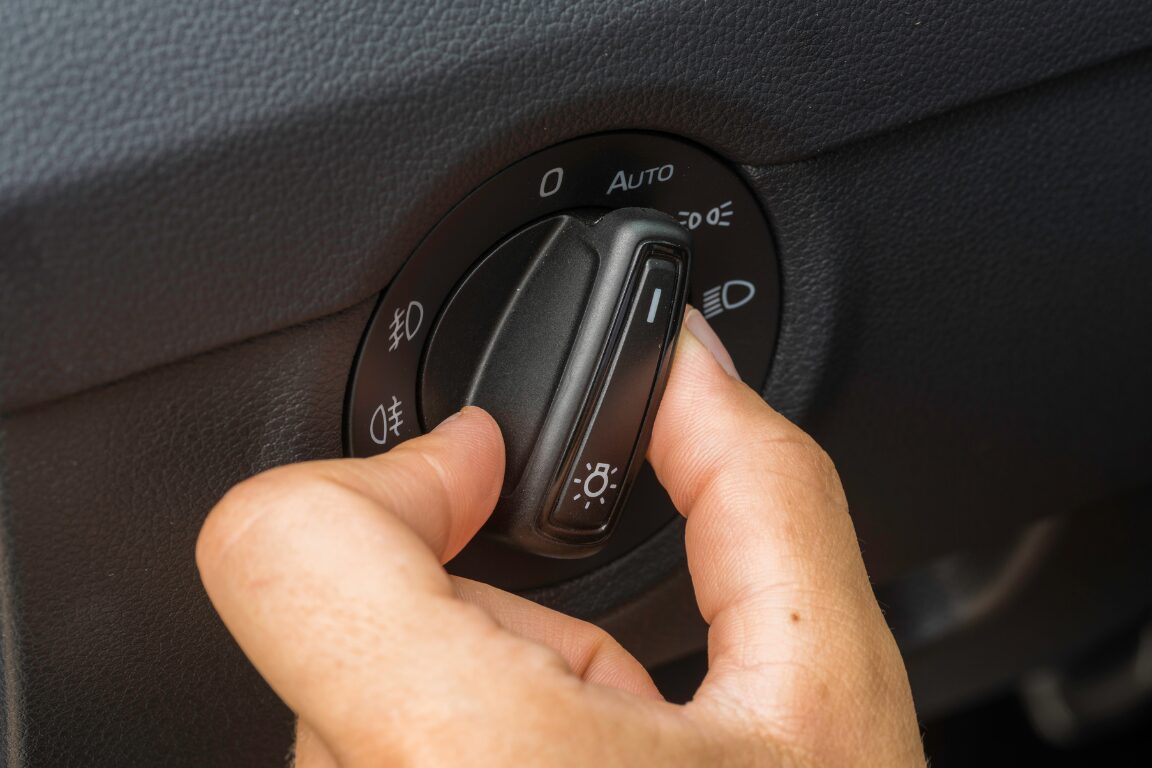
Aby włączyć światła pozycyjne w swoim samochodzie, wykonaj poniższe kroki:
- poszukaj dedykowanego włącznika, który zazwyczaj znajduje się w pobliżu kierownicy, na desce rozdzielczej,
- włączając je, obróć pokrętło lub manetkę do pierwszej pozycji,
- na przełączniku znajdziesz ikonę przedstawiającą dwa reflektory zwrócone do siebie tyłem, emanujące trzy strumienie światła,
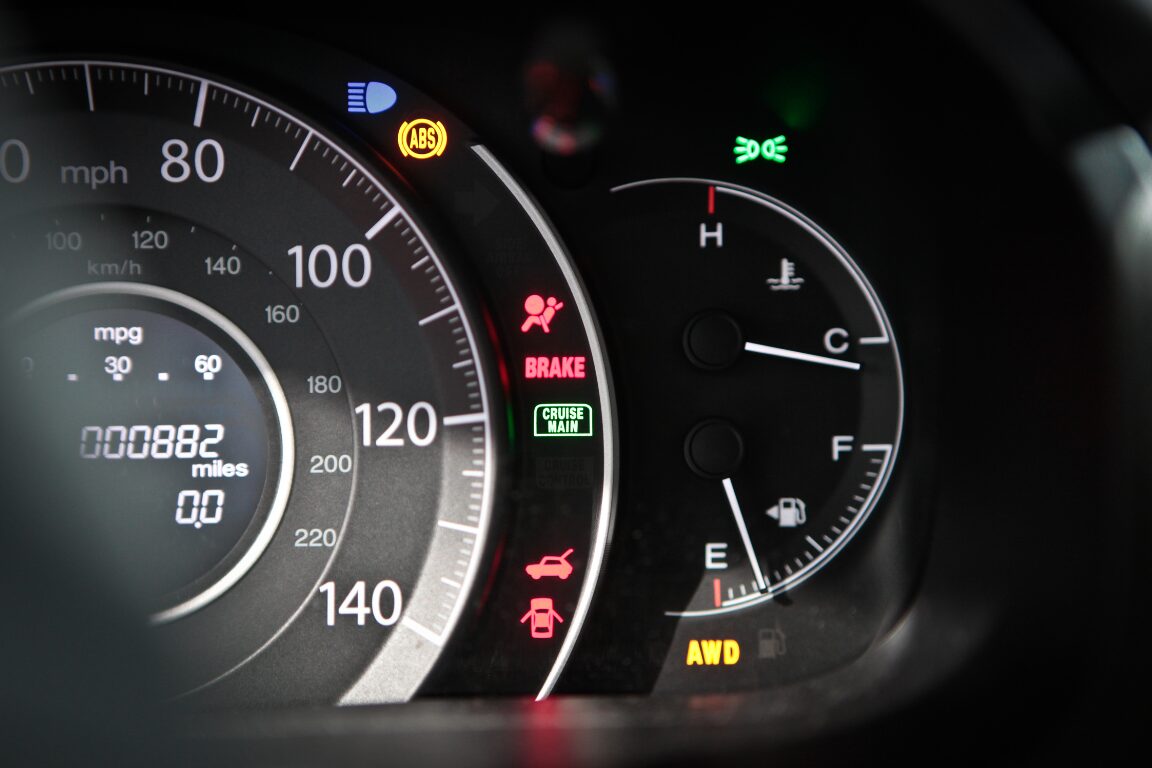
- po włączeniu tych świateł na desce rozdzielczej zapali się zielona kontrolka, co oznacza, że światła pozycyjne są aktywowane.
Warto pamiętać, że w wielu pojazdach światła pozycyjne uruchamiają się automatycznie wraz ze światłami mijania, ale możesz również włączać je niezależnie. Umiejętne posługiwanie się światłami pozycyjnymi jest niezwykle istotne – nie tylko zwiększa Twoje bezpieczeństwo na drodze, ale także zapewnia zgodność z obowiązującymi przepisami.
Jakie standardy homologacyjne i przepisy określają światła pozycyjne?
Światła pozycyjne podlegają regulacjom prawa drogowego oraz normom homologacyjnym, takim jak europejska Regulacja 48 ECE. Te przepisy precyzują wymagania dotyczące:
- liczby,
- barw,
- rozmieszczenia,
- minimalnych odległości widoczności tych świateł.
Zgodnie z nimi, światła z przodu muszą być białe, czerwone z tyłu, a dla dłuższych pojazdów, przekraczających 6 metrów, dodatkowo wymagane są pomarańczowe światła po bokach.
W Polsce każdy pojazd silnikowy oraz jednoślad musi być wyposażony w światła pozycyjne zarówno z przodu, jak i z tyłu. Oprócz tego, przepisy ruchu drogowego regulują, kiedy te światła powinny być włączane, na przykład w trudnych warunkach widoczności. Niewłaściwe korzystanie lub całkowity brak świateł pozycyjnych może prowadzić do nałożenia kar, takich jak mandaty.
Do czego służą światła pozycyjne?
Światła pozycyjne odgrywają istotną rolę w komunikacji na drodze, informując innych użytkowników o obecności pojazdu oraz pomagając oszacować jego rozmiar. Dzięki wyraźnym sygnałom świetlnym zarówno kierowcy, jak i piesi mogą łatwiej dostrzegać nadjeżdżające auta. Jest to szczególnie ważne podczas manewrów i parkowania. Kluczowym zadaniem tych świateł jest zwiększenie bezpieczeństwa w trudnych warunkach, takich jak mgła, deszcz czy noc, kiedy widoczność jest znacznie ograniczona.
Choć światła pozycyjne nie oświetlają jezdni, pełnią ważną funkcję ostrzegawczą. W sytuacjach awaryjnych, na przykład podczas postoju na autostradzie czy w nocy, ich włączenie informuje innych kierowców o unieruchomionym pojeździe, co znacząco redukuje ryzyko wypadków. Dodatkowo, przy holowaniu samochodu, zapalenie świateł pozycyjnych jest niezbędne, aby zaznaczyć ruch oraz rozmiar holowanego pojazdu. Ustawodawstwo drogowe dokładnie określa, kiedy te światła powinny być aktywowane, co ukazuje ich kluczowe znaczenie w codziennej eksploatacji dróg.
Światła pozycyjne są niezbędne do sygnalizowania zarówno obecności, jak i wymiarów pojazdu na drodze. Dzięki ich odpowiedniemu umiejscowieniu – białe z przodu oraz czerwone z tyłu – inni uczestnicy ruchu mogą szybko ocenić, z jakim autem mają do czynienia. To jest istotne zwłaszcza w warunkach ograniczonej widoczności, gdy ciężej dostrzega się nadjeżdżające pojazdy.
Kiedy należy używać świateł pozycyjnych?
Światła pozycyjne powinny być używane, gdy warunki widoczności są ograniczone, na przykład podczas:
- zmierzchu,
- mgły,
- deszczu,
- w nocy.
Stanowią one istotny element w zapewnieniu bezpieczeństwa na drodze, gdyż pozwalają innym kierowcom dostrzec zarówno obecność, jak i rozmiary pojazdu.
W niektórych sytuacjach, takich jak:
- awaryjny postój na autostradzie,
- nocna jazda,
- brak sprawnych świateł awaryjnych.
Ich użycie staje się wręcz niezbędne. W obszarach niezabudowanych, gdzie widoczność jest ograniczona, stosowanie świateł pozycyjnych również jest wymagane przez przepisy.
Podczas holowania w trudnych warunkach, te światła odgrywają kluczową rolę. Informują zarówno o pojeździe holującym, jak i holowanym, co:
- zwiększa bezpieczeństwo na drodze,
- ostrzega innych uczestników ruchu o zbliżających się samochodach lub unieruchomionych pojazdach.
Odpowiednie korzystanie z tych świateł to podstawowy element dbałości o życie i zdrowie wszystkich użytkowników dróg.
Jak prawo o ruchu drogowym reguluje użycie świateł pozycyjnych w warunkach ograniczonej widoczności?
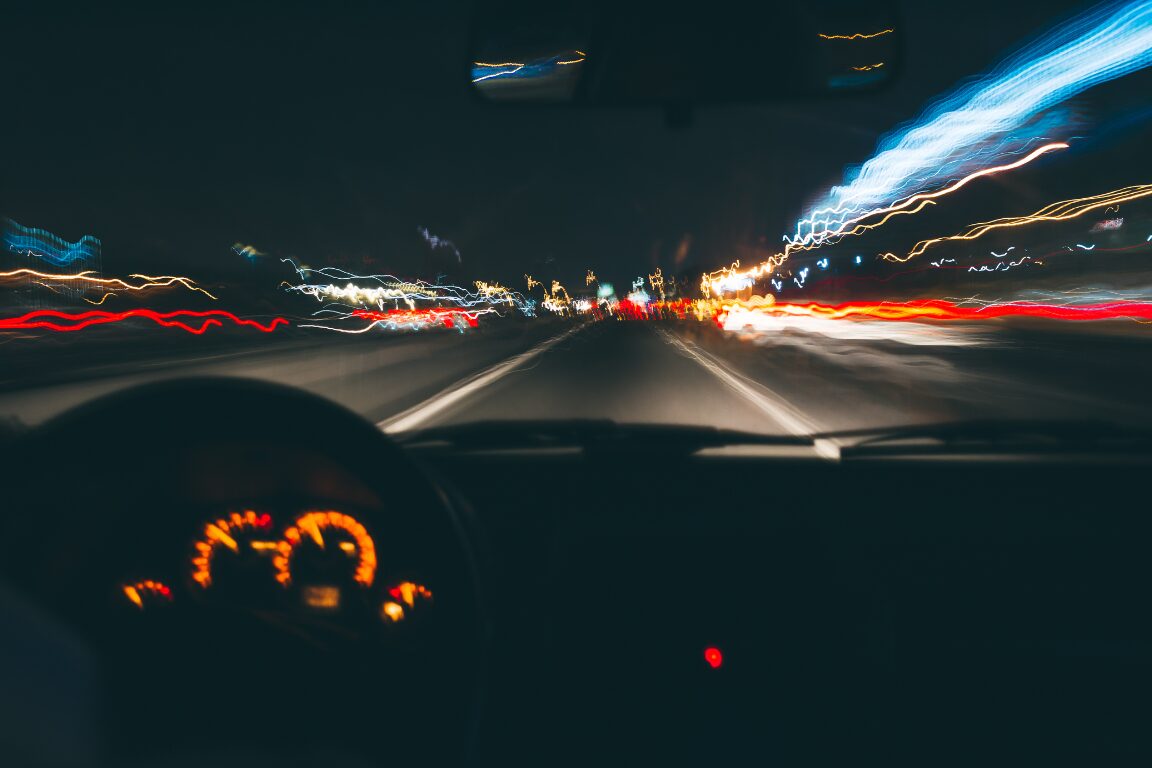
Prawo dotyczące ruchu drogowego w Polsce dokładnie określa zasady używania świateł pozycyjnych. Kierowcy mają obowiązek korzystania z tych świateł, gdy widoczność jest ograniczona – na przykład nocą, podczas zmierzchu, w mgłę czy deszcz. Ustawa precyzuje również konkretne okoliczności, w jakich ich włączenie jest konieczne. Ważne sytuacje obejmują:
- holowanie pojazdu,
- awaryjny postój na drogach ekspresowych oraz autostradach,
- zatrzymanie samochodu w miejscu zabronionym poza terenem zabudowanym,.
W przypadku kiedy awaryjne światła nie działają, kierowca powinien aktywować światła pozycyjne.
Niezastosowanie się do tych przepisów wiąże się z ryzykiem nałożenia kar. Kierowca może dostać mandat oraz punkty karne, a w niektórych przypadkach funkcjonariusze mają prawo do zatrzymania dowodu rejestracyjnego. Wszystkie te regulacje mają na celu poprawę bezpieczeństwa na drogach, zwiększając widoczność pojazdów w trudnych warunkach atmosferycznych. Dlatego umiejętne korzystanie z świateł pozycyjnych jest kluczowe, aby zapewnić bezpieczeństwo nie tylko kierowcy, ale także innych uczestników ruchu drogowego.
Kiedy włączyć światła pozycyjne podczas postoju poza obszarem zabudowanym, na autostradzie lub drodze szybkiego ruchu?
Podczas awarii pojazdu na terenie niezabudowanym, czy to na autostradzie, czy na drodze szybkiego ruchu, konieczne jest włączenie świateł pozycyjnych. To ważne, bo informuje innych uczestników ruchu, że twój samochód jest zatrzymany. Taki krok może znacząco zredukować ryzyko wypadków. Zgodnie z przepisami, światła te muszą być aktywowane, gdy światła awaryjne są niesprawne.
W trudnych warunkach pogodowych, jak mgła, deszcz czy zmierzch, również warto pamiętać o włączeniu świateł pozycyjnych, gdy parkuje się na poboczu. Dzięki temu twój pojazd staje się bardziej widoczny, co z kolei pozwala innym kierowcom na szybsze zauważenie go.
Stosowanie świateł pozycyjnych w takich okolicznościach to nie tylko kwestia przestrzegania przepisów, lecz przede wszystkim istotny element dbania o bezpieczeństwo na drogach. Ignorowanie tych zasad może prowadzić do otrzymania mandatu oraz zbierania punktów karnych.
Czym światła pozycyjne różnią się od innych lamp pojazdu?
Światła pozycyjne różnią się od innych lamp w samochodzie przede wszystkim swoją funkcją oraz obligatoryjnością. Zasadniczym celem świateł pozycyjnych jest sygnalizacja obecności i wymiarów pojazdu, co jest kluczowe dla bezpieczeństwa drogowego. W przeciwieństwie do świateł mijania i drogowych, które służą do oświetlania trasy, światła pozycyjne informują innych o lokalizacji pojazdu.
Kiedy światła mijania (krótkie) są włączone w warunkach słabej widoczności, światła pozycyjne muszą być aktywne jednocześnie. Światła drogowe (długie) są stosowane po zmroku dla zwiększenia zasięgu oświetlenia. Natomiast światła pozycyjne powinny być włączane w każdej sytuacji wymagającej, na przykład podczas parkowania w trudnych warunkach.
Różnica między światłami pozycyjnymi a światłami postojowymi jest ściśle przestrzegana. Światła pozycyjne są obowiązkowe wszędzie, natomiast światła postojowe są aktywowane jedynie podczas postoju i mogą świecić tylko z jednej strony pojazdu. Dodatkowo, światła do jazdy dziennej (DRL) poprawiają widoczność w ciągu dnia, ale nie mogą zastąpić świateł pozycyjnych, zwłaszcza tylnych, które są niezbędne podczas manewrów na drodze.
Co zrobić w przypadku awarii świateł pozycyjnych?
W przypadku awarii świateł pozycyjnych, warto szybko zareagować i postarać się je naprawić. Na początek:
- sprawdź, czy żarówki są w dobrym stanie,
- jeśli odkryjesz, że są uszkodzone, wymień żarówki na nowe,
- zwróć uwagę na bezpieczniki, które mogą wpływać na działanie obwodu świateł pozycyjnych,
- zbadaj ewentualne uszkodzenia kabli lub złącz.
Jeśli wykonanie tych podstawowych kroków nie przyniesie rezultatu, rozważ wizytę w warsztacie samochodowym. Fachowiec dokładnie oceni problem i zidentyfikuje usterkę. W międzyczasie, gdy Twoje światła pozycyjne są niesprawne, dbaj o bezpieczeństwo na drodze – korzystaj z innych dostępnych świateł, takich jak światła awaryjne czy postojowe, jeśli wciąż działają.
Szybkie usunięcie tego rodzaju awarii ma kluczowe znaczenie nie tylko ze względu na przepisy, ale przede wszystkim dla Twojego bezpieczeństwa. Usterki w oświetleniu mogą prowadzić do poważnych sytuacji oraz potencjalnych mandatów. Dlatego regularne przeglądy i konserwacja oświetlenia w samochodzie są bardzo istotne. Dzięki temu możesz uniknąć niespodziewanych problemów podczas jazdy.
Jakie mandaty grożą za niesprawne lub brakujące światła pozycyjne?
Brak lub uszkodzone światła pozycyjne mogą skutkować poważnymi konsekwencjami finansowymi oraz naliczonymi punktami karnymi dla kierowców w Polsce. Na przykład:
- w prowadzeniu pojazdu w ciągu dnia bez tych świateł grozi mandat wynoszący około 100 zł oraz 2 punkty karne,
- w nocy, podczas zmierzchu czy w tunelu grzywna wzrasta do 200 zł, a liczba punktów może sięgnąć 4.
Kiedy światła pozycyjne są w złym stanie, niezbędna jest ich naprawa. Policjanci mają prawo zatrzymać dowód rejestracyjny pojazdu do momentu usunięcia usterki oraz uzyskania pozytywnego wyniku badania technicznego. Te przepisy są wprowadzone, aby zwiększyć bezpieczeństwo na drogach oraz zapewnić właściwą widoczność dla wszystkich uczestników ruchu, zwłaszcza w trudnych warunkach pogodowych.
Zadbanie o sprawność świateł pozycyjnych jest niezwykle istotne, gdyż pomaga unikać mandatów oraz podnosi bezpieczeństwo na drogach.
Czym jest adaptacyjne oświetlenie ALH i jak współpracuje ze światłami pozycyjnymi?
System adaptacyjnego oświetlenia LED, znany jako ALH (Adaptive LED Headlights), to innowacyjne rozwiązanie, które znacząco zwiększa zarówno bezpieczeństwo, jak i komfort poprzez inteligentne dostosowywanie wiązki światła do zmieniających się warunków drogowych. Dzięki tej technologii kierowcy mogą cieszyć się lepszą widocznością, szczególnie w trudnych sytuacjach, takich jak kręte drogi czy ostre zakręty.
ALH współpracuje z światłami pozycyjnymi, które informują innych uczestników ruchu o obecności oraz wymiarach pojazdu. Ta synergiczna relacja pozwala kierowcom na lepszą kontrolę nad oświetleniem, co jest kluczowe, zwłaszcza podczas niekorzystnych warunków atmosferycznych.
Adaptacyjne reflektory LED w systemie ALH synergizują ze światłami pozycyjnymi. Podczas gdy te drugie wskazują lokalizację pojazdu, adaptacyjne oświetlenie optymalizuje widoczność. W rezultacie kierowcy mogą łatwiej zauważyć przeszkody na drodze, co przynosi następujące korzyści:
- zwiększona widoczność w trudnych warunkach,
- poprawiona kontrola nad oświetleniem,
- zmniejszone ryzyko wypadków,
- większy komfort jazdy,
- bezpieczniejsze środowisko dla kierowców i pieszych.
FAQ
Co to są światła pozycyjne i do czego służą?
Światła pozycyjne, zwane też obrysowymi, sygnalizują obecność i wymiary pojazdu. Białe z przodu, czerwone z tyłu, widoczne z 300 metrów. Ich główną rolą jest informowanie innych uczestników ruchu o lokalizacji pojazdu, co zwiększa bezpieczeństwo, zwłaszcza w trudnych warunkach (mgła, zmrok). Nie służą do oświetlania drogi.
Jak włączyć światła pozycyjne?
Znajdź dedykowany włącznik (zazwyczaj przy kierownicy), obróć pokrętło do pierwszej pozycji. Ikona przedstawia dwa reflektory z trzema strumieniami światła. Po włączeniu zapali się zielona kontrolka na desce rozdzielczej. W wielu autach włączają się automatycznie ze światłami mijania.
Jakie przepisy regulują użycie świateł pozycyjnych?
Światła pozycyjne podlegają prawu drogowemu i normom homologacyjnym (np. Regulacja 48 ECE), które precyzują ich liczbę, barwę, rozmieszczenie i widoczność. W Polsce każdy pojazd silnikowy i jednoślad musi mieć światła pozycyjne z przodu i z tyłu. Niewłaściwe użycie może skutkować mandatem.
Kiedy należy używać świateł pozycyjnych?
Używaj ich, gdy widoczność jest ograniczona: o zmierzchu, w mgłę, deszczu, czy w nocy. Są też niezbędne podczas awaryjnego postoju (np. na autostradzie), nocnej jazdy, czy holowania, zwłaszcza gdy światła awaryjne nie działają.
Czym różnią się światła pozycyjne od innych świateł w aucie?
Główna różnica to ich funkcja: światła pozycyjne sygnalizują obecność i wymiary pojazdu, w przeciwieństwie do świateł mijania czy drogowych, które oświetlają drogę. Są obowiązkowe, podczas gdy np. światła postojowe, które świecą tylko z jednej strony, są używane wyłącznie podczas postoju. Światła dzienne nie zastępują świateł pozycyjnych, szczególnie tylnych.
Jakie są konsekwencje za brak lub niesprawne światła pozycyjne?
Grożą mandaty i punkty karne. Za jazdę bez świateł pozycyjnych w dzień: 100 zł i 2 punkty karne. W nocy, o zmierzchu lub w tunelu: 200 zł i 4 punkty karne. Policja może też zatrzymać dowód rejestracyjny do czasu usunięcia usterki.
Automotive
Berita Olahraga
Lowongan Kerja
Berita Terkini
Berita Terbaru
Berita Teknologi
Seputar Teknologi
Berita Politik
Resep Masakan
Pendidikan