Archives 2025

Fast Freddie Spencer. L’ultimo Superman a due ruote.


Dicono che avesse il dono di vedere, in un dato tempo, più particolari circostanti di chiunque altro, e che questa dote lo aiutasse non poco a visualizzare meglio la pista e gli avversari davanti a sè. Solo che lui di avversari davanti praticamente non ne aveva: da qualunque posizione partisse al “Via”, iniziava il secondo Giro regolarmente in testa al Gruppo. Faceva davvero impressione, poi, quella sua aria elegantissima e serena anche alla fine di un Gran Premio tiratissimo, a confronto dei suoi avversari diretti che quasi rantolavano per la fatica. Così come il suo sorriso da alunno perfetto, impeccabile, con la camicia sempre perfettamente stirata in ogni occasione.

Il Mito americano e “Fast Freddie”

Freddie Spencer, dalla Louisiana, detto “Fast Freddie” fin dall’epoca delle corse in America di “Short Track” dove da bambino di 9 anni già si cimentava affrontando gli ovali di terra battuta di traverso su una “Honda 500″, a prima vista sembrava l’ennesimo prodotto del nuovissimo vivaio americano, battezzato da Kenny Roberts. Ma in verità Freddie Spencer era molto di più e molto diverso dal modello di “Pilota CowBoy” in voga in quel periodo.

Arrivò in Europa nel 1979, a 18 anni. Nel 1981 passò alla HONDA

che però, impelagata nella rivoluzionaria NR 500 a 4T contro tutte le altre rivali a 2 tempi premiava certo la voglia di distinguersi della Casa Nipponica, ma anche l’esigenza di poter sommare diverse esperienze su settori eterogenei (moto ed auto) al fine di preparare al meglio il futuro previsto ritorno della Honda in F1.  Freddie insieme al Collaudatore ufficiale, Katayama, offrì il suo talento indiscusso e la sua sensibilità di guida e si sacrificò come Collaudatore verso una moto troppo complicata per vincere. Torno’ protagonista alla fine del 1981, quando HONDA fece scendere in Pista la semplice ed efficace tricilindrica NS 500 con cui Freddie si piazzò al terzo posto iridato, primo dello squadrone Honda ma soprattutto davanti al Campione del Mondo uscente Marco Lucchinelli. Pur con un ruolino di marcia così convincente nessuno pensava davvero però che nel 1983 il “pulcino” Freddie potesse avere ragione di un mostro sacro come Kenny Roberts, detto il Marziano appunto perchè scendendo dagli USA in Europa con la Yamaha aveva di fatto “battezzato” l’era dei fantascientifici Yankees a partire dal 1977.

Il “Pupo” e il Marziano

Invece quel Motomondiale 1983, il primo vinto da Freddie, fu una questione a due tra lui e Roberts : su 12 gare, 6 furono aggiudicate dal “pupo” della Louisiana, e 6 dal Kenny il Marziano. 3 secondi Posti ed un ritiro ciascuno, ma a Freddie bastò un solo terzo posto in più rispetto al suo avversario per superarlo di due punti. Teatro indimenticabile della sfida all’ultimo sangue fu il gran Premio di San Marino. Kenny diede (come si dice in gergo) il fritto e guidò la corsa come un addannato. La prima guida della yamaha sperava in verità nel guizzo del suo “giovane” secondo, un certo Eddy Lawson. Che però non riuscì’ a togliere a Spencer nè il secondo posto nè il Titolo.

Per chi ricorda il Podio di quel Gran Premio, probabilmente in quel palcoscenico si vide per la prima ed ultima volta una espressione “umana” di vero dispiacere e disappunto verso Eddy Lawson, da parte di King Kenny Roberts, di solito glaciale e serrato come pochi altri esseri umani……

Agli altri solo le briciole, se pensate che tra primo e secondo in Campionato passarono due soli punti e tra il secondo e il terzo addirittura 53 !!!!!!!!

NSR Quattro. Troppo sperimentale, troppo vincente.

Quando il 1984 partì, dato il ritiro di Roberts e la momentanea “nebbia” dei concorrenti diretti (Lucchinelli in Cagiva, Uncini e Barry Sheene sulle Suzuki ormai poco competitive), si pensò subito che il Mondiale sarebbe stato di nuovo corsa a due, ma stavolta spalla a spalla Spencer / Lawson e Honda / Yamaha.

Putroppo per Freddie la Honda tornò al suo vecchio “pallino” di sperimentatrice e presentò la NSR 4 cilindri con alcune soluzioni rivoluzionarie (scarichi dentro la carenatura del serbatoio e serbatoio sotto il motore, ad esempio) e così, pur vincendo più Gran Premi di tutti gli altri, Spencer rimase fermo al quarto posto finale per un numero spropositato di mancate partenze, lasciando il Titolo a Lawson.

Quella NSR croce del 1984 diventa però la delizia del 1985, dove Spencer decide anche di tentare una sfida impossibile : correre contemporaneamente per vincere la Categoria 500 e quella 250.

L’ultimo Campione plurimo  della Classe Regina : 500 e 250.

Con la diffidenza e lo sbigottimento di tutti (perchè in pochi credevano davvero che fosse possibile per tre giorni consecutivi, nei Week End di gara, effettuare le prove di due Categorie, e poi la Domenica scendere dalla 250 e salire in Griglia di partenza nella mezzo litro. In particolare, caratteristica poco nota ai più, un ex promessa del Basket (si,avete capito bene: il nostro Freddie è un lungagnone per i canoni da fantino delle Gare di moto) che già faticava a stare in sella ad una 500, come avrebbe gareggiato su una moto molto più contenuta e leggera?

Tuttavia il 1985 passerà alla storia per essere l’ultimo di un Campione della Classe Regina in grado di vincere il Titolo in un’altra Classe. Spencer ottiene un ruolino di marcia impressionante: su 12 gare ne vince 7 in ogni Classe. Un trionfo. Inarrivabile da chiunque altro, perchè la fatica di guidare le due Classi più impegnative e prestigiose del Motomondiale poteva essere affrontata solo da un Superman in tuta (di pelle). E per non lasciare nulla di intentato, stravinse la 200 Miglia di Daytona dell’epoca.
Freddie-Spencer

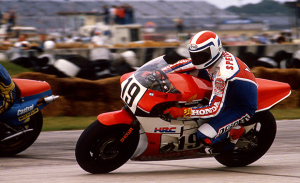
                                    Freddie alla 200 Miglia di Daytona 1985. Copyright : Daytona International Speedway

Fast Freddie, il nuovo Varzi?

Dall’inizio degli anni Settanta la Classe Regina non aveva più espresso il cosidetto “Campione seriale”: dopo il nostro “Mino” Agostini che aveva vinto sette volte di fila tra il 1966 ed il 1972 il Mondiale fino al 1985 aveva assegnato 13 Titoli suddivisi però tra ben 8 Piloti, tra i quali appunto lo stesso Freddie. Adesso era lui, a soli 25 anni e da prima guida del Marchio più vincente del mondo, a lasciare prevedere la dimensione “seriale” più lunga che si potesse ottenere in quel periodo. E dunque nessuno poteva immaginare il cataclisma che avvenne dall’inizio del 1986. Sembrava impossibile, ma la macchina da guerra sembrava essersi rotta. Non solo per le ipotesi (rimaste tali) di problemi fisici che in fondo ci possono stare : tendiniti, problemi di vista e qualcuno dice di equilibrio. Ma no, il problema era che dentro Freddie non era più lui. E a differenza di altri campioni leggendari come lui (anche in altre Categorie motoristiche) che si ritirarono all’improvviso ma con una motivazione di fondo (Lauda, ad esempio, ma anche lo stesso Roberts) per Freddie non sembrava esserci un motivo : la sua squadra era vincente, il suo pubblico era innamoratissimo. Alcuni parlano di una sindrome psicologica dovuta alla tensione ed allo sfibramento pagato l’anno prima correndo in due categorie. Fatto sta che dal 1986 Freddie non è più “Fast”. Nel 1987 / 1988 le stagioni con la Honda sono fallimentari, e il rapporto si chiude. Nel 1989, visibilmente appesantito e annebbiato, approda alla Yamaha proprio diretta da Agostini. Ma non è più il “suo” mondo. Le “satellitari” partecipazioni successive nei Mondiali 500 e Superbike è inutile addirittura menzionarli. Nella mia memoria, data la repentina caduta e il mistero, Freddie mi ha ricordato Varzi. Ovviamente con cause di gran lunga differenti. Ma per gli effetti me lo ha ricordato. Tutti e due nella loro consacrazione eleganti, diversi dagli altri, impeccabili e spesso “algidi”. Tutti e due, nel crollo, completamente irriconoscibili, annebbiati, e terribilmente soli.

Io ho un ricordo bellissimo di Freddie. Come Lauda, lui rimarra’ per sempre il “mio” campione. Anche se, in proporzione all’Albo d’Oro, ha vinto molto poco. Ma per chi lo ha vissuto in diretta è stato allo stesso tempo innovatore, dissacratore, e profeta di qualcosa che altri seguirono dopo di lui. A suo modo ha segnato un’epoca e ha fatto storia.

Dopo averlo visto a lungo in Tv, da adolescente, ho avuto la fortuna di abbracciarlo per la prima volta a Roma, la scorsa primavera. Vi assicuro che è stata una emozione.

Riccardo Bellumori


Automotive

Jasa Import Door to Door

Cek Ongkir Cargo

Berita Teknologi

Seputar Teknologi

BJA Logistic Rute Jakarta Kupang

BJA Logistic hadir sebagai solusi terpercaya untuk pengiriman cargo Jakarta Kupang dengan tarif termurah, hanya mulai dari Rp7.000/kg. Sebagai perusahaan ekspedisi berpengalaman, BJA Logistic melayani pengiriman barang dalam jumlah besar dari Jakarta ke Kupang dengan proses yang cepat, aman, dan efisien.

Layanan cargo Jakarta Kupang dari BJA Logistic mencakup berbagai jenis pengiriman, mulai dari barang industri, alat berat, elektronik, hingga kebutuhan rumah tangga. Dengan jaringan logistik yang luas dan armada lengkap, BJA Logistic mampu memberikan estimasi waktu pengiriman yang tepat dan pelayanan yang profesional.

Kenapa pilih BJA Logistic?

  • Tarif kompetitif mulai Rp7.000/kg
  • Layanan door to door
  • Tracking pengiriman realtime
  • Tim profesional dan ramah

Bagi Anda yang sedang mencari jasa cargo Jakarta Kupang murah dan terpercaya, BJA Logistic adalah pilihan tepat. Hubungi tim kami sekarang juga untuk informasi lebih lanjut dan penawaran khusus!

PRT Releases 18 New Aftermarket Products

PRT announced the latest additions of new aftermarket products to its portfolio of complete strut assemblies and shock absorbers. PRT said the 18 products represent more than 10 million vehicles in new coverage.

The company added several significant models to its portfolio. These include the Toyota Yaris, Ford Escape and Volkswagen Touareg. PRT also introduced products for new applications like the 2023 Hyundai Kona. Pickup truck coverage includes the GMC Sierra and Honda Ridgeline.

Models Include Passenger Cars, SUVs and Trucks

The expanded coverage targets a wide range of popular vehicles. These include sedans, SUVs and pickup trucks. PRT said the updates help meet ongoing demand in the market.

New Aftermarket Products Now Available in the U.S.

“These continuous product launches aim to broaden our application range across the North American aftermarket,” said Bruno Bello, director of global marketing at PRT. “The new items are available in the U.S. and ready for shipment!”

In March, PRT announced the latest additions to its portfolio of complete strut assemblies and shock absorbers in the North American Aftermarket. The 27 new products represent more than seven million vehicles in new coverage.

The launches include models like the Chevrolet Malibu, Dodge Challenger and Suzuki SX4, in addition to brand new applications including the Chrysler Voyager and Pacifica 2023, as well as the Ford Transit 250 and 350 HD 2023, among others.

Contact PRT or Visit Online for Details

For more information, call 1-770-238-1611, visit www.prtautoparts.com, or follow @prtautoparts.


Automotive

Cara Membuat Rumus Togel Sendiri Berdasarkan Data Keluaran

Bermain togel memang menarik dan penuh tantangan. Banyak pemain yang mencari rumus togel yang dapat membantu mereka untuk memprediksi angka yang akan keluar. Salah satu cara untuk meningkatkan peluang menang adalah dengan membuat rumus togel sendiri berdasarkan data keluaran sebelumnya di Namatoto.

Dengan rumus yang tepat, pemain bisa lebih cermat dalam menentukan angka yang akan dipasang, serta mengurangi rasa ketidakpastian. Di artikel ini, kita akan membahas bagaimana cara membuat rumus togel sendiri menggunakan data keluaran yang ada.


1. Mengumpulkan Data Keluaran

Langkah pertama untuk membuat rumus togel adalah mengumpulkan data keluaran togel. Tanpa data yang cukup, rumus yang dibuat tidak akan efektif.

Pilih pasaran togel yang ingin kamu analisis, seperti:

  • Togel HK (Hongkong)
  • Togel SGP (Singapore)
  • Togel SDY (Sydney)

Pastikan data yang dikumpulkan cukup banyak. Disarankan untuk mengambil data keluaran minimal 30 hingga 50 hasil terakhir untuk menganalisis pola secara lebih akurat.


2. Analisis Angka Panas dan Dingin

Setelah mengumpulkan data, langkah berikutnya adalah menganalisis angka panas dan dingin. Ini adalah konsep dasar dalam pembuatan rumus togel.

  • Angka Panas: Angka yang sering keluar dalam beberapa periode terakhir.
  • Angka Dingin: Angka yang jarang atau tidak pernah muncul dalam beberapa waktu terakhir.

Untuk membuat rumus, coba pilih kombinasi angka panas dan dingin. Misalnya, jika angka panas yang sering keluar adalah 5, 7, dan 3, dan angka dingin yang belum keluar adalah 1 dan 9, kamu bisa mencoba membuat kombinasi seperti 5-1-7 atau 3-9-5.


3. Perhatikan Pola Posisi Angka

Selain angka panas dan dingin, kamu juga perlu menganalisis pola posisi angka dalam hasil keluaran sebelumnya. Kadang-kadang, angka yang keluar bisa memiliki pola tersendiri, seperti:

  • Posisi angka yang selalu sama: Misalnya, angka 3 sering keluar di posisi pertama, angka 5 di posisi kedua, dan seterusnya.
  • Angka yang sering berpindah posisi: Ini adalah pola di mana angka yang muncul dalam posisi tertentu sering berpindah tempat di hasil-hasil berikutnya.

Buat rumus berdasarkan pola posisi ini. Jika angka 5 sering keluar di posisi pertama, cobalah angka 5 di depan angka lainnya dalam prediksi.


4. Menggunakan Rumus Matematika Dasar

Selain pola angka, kamu juga bisa mengkombinasikan angka dengan rumus matematika dasar. Berikut beberapa rumus dasar yang sering digunakan oleh pemain togel:

a. Penjumlahan Angka Keluaran

Ambil angka-angka yang keluar pada hasil togel sebelumnya dan jumlahkan. Misalnya, hasil keluaran HK terakhir adalah 7248, jumlahkan angka-angka tersebut:

  • 7 + 2 + 4 + 8 = 21 Ambil angka-angka yang berada di posisi pertama dan kedua dari jumlah tersebut. Jadi, angka yang bisa dipasang adalah 2 dan 1.

b. Pembagian Angka

Coba bagi angka-angka keluaran dengan angka tertentu. Misalnya, jika angka keluar adalah 16, kamu bisa membaginya dengan 4 untuk mendapatkan angka 4. Ini adalah cara untuk memperkecil kemungkinan.

c. Menggunakan Modulus

Metode ini menggunakan pembagian dengan sisa. Misalnya, jika angka yang keluar adalah 18 dan kamu membaginya dengan 4, sisa hasil pembagian adalah 2. Angka 2 bisa menjadi angka yang diprediksi untuk keluaran selanjutnya.


5. Kombinasikan Dengan Firasat atau Angka Mimpi

Beberapa pemain togel percaya pada firasat atau angka mimpi yang mereka alami. Meskipun ini tidak sepenuhnya berbasis pada data, beberapa orang merasa lebih nyaman ketika menyisipkan angka dari mimpi mereka ke dalam rumus.

Kamu bisa mencobanya dengan mencocokkan angka-angka hasil prediksi berdasarkan data keluaran dengan angka yang muncul dalam mimpi atau firasatmu. Ingat, ini hanya tambahan, bukan faktor utama.


6. Uji Coba dan Evaluasi Rumus

Setelah membuat rumus, langkah berikutnya adalah uji coba. Pasang angka yang telah kamu susun berdasarkan rumus tersebut dan lihat hasilnya. Jika dalam beberapa putaran angka yang kamu pasang tidak sesuai, evaluasi rumus yang telah dibuat dan sesuaikan dengan data keluaran terbaru.

Proses ini mungkin membutuhkan beberapa kali percobaan, tetapi dengan waktu dan analisis yang tepat, kamu bisa menemukan rumus yang cocok untuk meningkatkan peluangmu.


Kesimpulan

Membuat rumus togel sendiri dengan menggunakan data keluaran adalah cara yang efektif untuk memprediksi angka-angka yang akan keluar. Dengan mengumpulkan data yang cukup, menganalisis angka panas dan dingin, serta menggunakan rumus matematika dasar, kamu dapat membuat prediksi yang lebih terarah dan rasional.

Namun, perlu diingat bahwa togel adalah permainan berbasis keberuntungan. Tidak ada rumus yang bisa menjamin kemenangan 100%. Oleh karena itu, selalu bermain dengan bijak dan jangan terjebak dalam permainan yang menguras keuangan.

Dengan latihan dan evaluasi rutin, kamu bisa menemukan rumus yang paling cocok untukmu dan meningkatkan peluang menang di setiap permainan.

Partnership Pathways: Bridging the Gap

In this episode of Tomorrow’s Technician’s Partnership Pathways Podcast, powered by NAPA, host Doug Kaufman speaks with Ritchie Wimmer, a multifaceted shop owner and automotive instructor at Morro Bay High School in California. In addition to sharing his amazing life-altering story, Ritchie shares his insights on the challenges of being a successful shop owner today and how mentorships and apprenticeship programs can bridge the gap between generations in the automotive industry.

Key Takeaways:

  • The Need for Formal Apprenticeships: Ritchie emphasizes the importance of creating formal apprenticeship programs in the trades, similar to those in welding or HVAC, to provide structured pathways for aspiring technicians.
  • The ASE Blue Shield Advantage: Ritchie discusses his goal of becoming an ASE Blue Shield shop, highlighting the benefits of accreditation and the challenges of meeting certification requirements in his area.
  • Mentorship’s Role in Professional Development: Ritchie reflects on how mentorship played a role in his own career, from starting as a glorified janitor to becoming a shop owner.
  • Training Both Sides: Ritchie explains how he trains both students and his shop team, creating a pathway for students interested in cars while also ensuring his staff stays up-to-date with the latest technology.
  • The Importance of Basic Skills: Ritchie stresses the need for entry-level technicians to master basic skills, such as oil changes and customer service, before moving on to more complex tasks.
  • The Value of Teamwork: Ritchie shares his approach to fostering teamwork among students, creating a supportive environment where they can learn from each other.
  • The Role of Volunteers: Ritchie highlights the value of retired professionals volunteering in high school auto shops, providing one-on-one support to students and allowing instructors to focus on the broader class.

Learn more about Ritchie Wimmer’s involvement with his school, his shop and his nomination for Instructor of the Year.

The post Partnership Pathways: Bridging the Gap appeared first on Brake & Front End.


Automotive

Getting Started with ADAS

Kevin Linger of Babcox Media discusses how ADAS calibrations are becoming less of a choice and more of a necessity in the collision repair industry.

Step one is gathering accurate information and avoiding misconceptions. With the help of Hunter’s Ultimate ADAS, Linger discusses a number of important ADAS topics such as:

  • determining adequate shop space
  • compensating for non-level floors
  • appropriate lighting and wall color

This video is the first in a series of practical, shop-focused videos featuring Hunter Engineering’s innovative Ultimate ADAS alignment and calibration system. Sponsored by Hunter Engineering Co.

The post Getting Started with ADAS appeared first on Brake & Front End.


Automotive

The Crucial Role of DPF Cleaning in Vehicle Maintenance


In the realm of modern vehicle maintenance, there exists a silent hero that plays a pivotal role in ensuring optimal engine performance and environmental sustainability – Diesel Particulate Filter (DPF). While often overlooked, the importance of regular DPF cleaning cannot be overstated. This blog explores the critical role of DPFs and why keeping them clean is essential for both your vehicle and the environment.

Understanding the Diesel Particulate Filter (DPF):

The DPF is a component designed to capture and filter out particulate matter emitted by diesel engines. Over time, these particles accumulate within the filter, leading to a potential decrease in engine efficiency and an increase in harmful emissions. To maintain a healthy balance between performance and environmental responsibility, regular cleaning of the DPF is essential.

Crucial Role of DPF Cleaning

Engine Efficiency and Fuel Economy:
A clogged DPF restricts the flow of exhaust gases, forcing the engine to work harder to expel emissions. This increased effort results in reduced fuel efficiency and overall performance. Regular DPF cleaning ensures that the engine operates at its optimum level, contributing to improved fuel economy and a smoother driving experience.

Emission Reduction and Environmental Impact:
Clean DPFs play a vital role in reducing harmful emissions released into the atmosphere. As diesel engines burn fuel, they emit particulate matter that can contribute to air pollution. A properly cleaned DPF effectively traps these particles, minimizing the environmental impact and helping vehicles comply with emission standards. Investing in DPF cleaning aligns with a commitment to a greener, more sustainable future.

Prolonged DPF Lifespan:
Routine DPF cleaning not only enhances engine performance but also extends the lifespan of the filter itself. A cleaner DPF is less prone to damage and can effectively continue its role in trapping particulate matter. This proactive approach to maintenance can save vehicle owners from costly DPF replacements and ensures consistent, long-term performance.

Regulatory Compliance:
Many regions have strict emissions standards in place, and compliance is not just a legal requirement but also a responsibility towards the environment. Regular DPF cleaning is a proactive measure to ensure that your vehicle adheres to these standards, preventing potential fines and penalties associated with non-compliance.

Final Thoughts

In conclusion, regular DPF cleaning/ maintenance is essential for engine efficiency and lower emissions. However, when a DPF is choked beyond self-regeneration, a more advanced solution is needed.

ATS ELGI’s DPF flushing liquid is specifically designed to restore heavily clogged filters. It effectively removes stubborn soot and ash, reviving the DPF and ensuring optimal engine performance—keeping your vehicle running smoothly and efficiently.

References

https://en.wikipedia.org/wiki/Diesel_particulate_filter
https://www.bluechemgroup.com/en/produkt/diesel-partikelfilter-spuelfluessigkeit/


Automotive

Shocks, Suspensions, Safety and Ride Control

In this episode of “Talking Shop with Shop Owner,” Kyle Price, Senior Product Manager at Monroe Shocks, explains about the transition from winter to spring and the importance of shocks, suspensions, safety and ride control consideration.

Price highlights the impact of winter conditions on vehicles, emphasizing the need for drivers to care for their suspension systems. “With rising prices, vehicle owners are holding onto their cars longer, making suspension maintenance crucial. They want to make sure that their suspensions – shocks, struts, coil springs – are working the way that they should after enduring lifetime of cold and salt during winters.”

“We’re trying to publish a lot of training and education. The Restore line is designed for the general population; the everyday driver who is looking for performance and a product that’s going to keep their vehicle running, at a level that they can afford.” Shocks, suspensions, safety and ride control conversations are key.

Symptoms Customers Will Notice

According to Price, there are several key symptoms that bring customers into shops, including noise and ride quality. “Shop owners need to consider vehicle mileage, and have dialogue with customers about their driving habits to recommend suitable options. The suspension system is critical to the safety and the comfort of your customers’ rides, and safety is always top of mind,” he says. 

This dialogue presents an opportunity for shop owners to have a conversation with their customers to open their eyes to options that are right for their needs. Monroe’s new product line, Monroe Restore, was developed to meet the needs of everyday drivers seeking performance at an affordable price.

Price says different options may, in fact, be right for different drivers’ needs and encourages shop owners and technicians to explore the Monroe website for training and conversation points to guide customers. He also recommends visting the Garage Gurus for expert training that can be tailored to individual shop needs.


Automotive

How They Keep Vehicles & Environment Clean


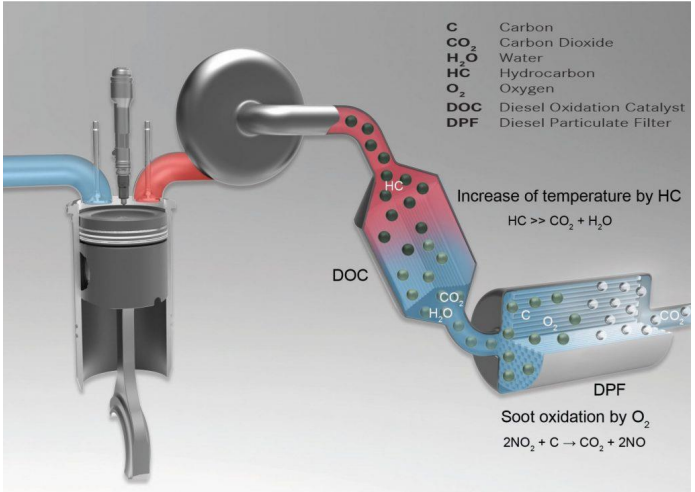
In the ever-evolving landscape of automotive technology, Diesel Particulate Filters (DPFs) have emerged as a critical component, playing a significant role in enhancing both engine performance and environmental sustainability. In this blog, we delve into the inner workings of DPFs, unravelling the mystery behind their functionality and the positive impact they have on vehicles and the air we breathe.

Understanding the Diesel Particulate Filters (DPF)

At the heart of a vehicle’s exhaust system lies the Diesel Particulate Filter, a specialized component designed to capture and remove particulate matter from the exhaust gases emitted by diesel engines. This particulate matter, composed of tiny particles and soot, is a by-product of the combustion process in diesel engines. The DPF serves as a guardian, preventing these harmful particles from being released into the atmosphere.

How DPFs Work:

Capture and Accumulation: As exhaust gases pass through the DPF, a series of porous channels trap particulate matter. This initial capture phase is crucial for preventing these particles from entering the air we breathe.

Regeneration Process: Over time, the accumulated particles create a build-up within the DPF. To prevent clogging and maintain optimal performance, DPFs undergo a process called regeneration. There are two primary types of regeneration: passive and active.

Passive Regeneration: This occurs naturally during regular driving conditions, where the exhaust temperatures are high enough to burn off the collected soot.

Active Regeneration: In cases where passive regeneration is insufficient, the engine control unit initiates active regeneration. This involves increasing exhaust temperatures through various methods, such as adjusting fuel injection or using an additional catalyst, to facilitate the burning off of accumulated particles.

Clean Exhaust Emission: Through the capture and regeneration process, DPFs ensure that the exhaust gases exiting the system are considerably cleaner, reducing the emission of harmful particulate matter into the environment.

Benefits of Diesel Particulate Filters:

Environmental Impact: DPFs play a crucial role in reducing air pollution by capturing and preventing the release of particulate matter into the atmosphere. This aligns with global efforts to mitigate the environmental impact of vehicle emissions.

Engine Performance: By maintaining a cleaner exhaust system, DPFs contribute to improved engine performance, fuel efficiency, and overall longevity. A well-functioning DPF ensures that the engine operates at its optimal level.

Regulatory Compliance: Many regions have established stringent emission standards, and DPFs are integral in helping vehicles meet these regulations. Compliance not only promotes environmental responsibility but also prevents potential fines and penalties.

In essence, Diesel Particulate Filters stand as a testament to the automotive industry’s commitment to cleaner, more sustainable transportation. By understanding the inner workings of DPFs, drivers and vehicle owners can appreciate their role in creating a healthier environment and ensuring the longevity of their vehicles. As we embrace advancements in technology, DPFs remain a cornerstone in the pursuit of a greener, more sustainable future on the roads we traverse.

Reference links:

https://www.uti.edu/blog/diesel/diesel-particulate-filters
https://en.wikipedia.org/wiki/Diesel_particulate_filter


Automotive

NAPA: How it Works | NAPA Synthetic Oil

Selecting the right engine oil can be tricky, especially with varying manufacturer requirements. Test your knowledge with four vehicles from Asia, Europe, and the U.S., each with unique oil specifications. Learn why NAPA Full Synthetic Motor Oil is the top choice for superior engine protection, performance, and longevity.

This video is sponsored by NAPA.

The post NAPA: How it Works | NAPA Synthetic Oil appeared first on Brake & Front End.


Automotive