Cara Membuat Rumus Togel Sendiri Berdasarkan Data Keluaran

Bermain togel memang menarik dan penuh tantangan. Banyak pemain yang mencari rumus togel yang dapat membantu mereka untuk memprediksi angka yang akan keluar. Salah satu cara untuk meningkatkan peluang menang adalah dengan membuat rumus togel sendiri berdasarkan data keluaran sebelumnya di Namatoto.

Dengan rumus yang tepat, pemain bisa lebih cermat dalam menentukan angka yang akan dipasang, serta mengurangi rasa ketidakpastian. Di artikel ini, kita akan membahas bagaimana cara membuat rumus togel sendiri menggunakan data keluaran yang ada.


1. Mengumpulkan Data Keluaran

Langkah pertama untuk membuat rumus togel adalah mengumpulkan data keluaran togel. Tanpa data yang cukup, rumus yang dibuat tidak akan efektif.

Pilih pasaran togel yang ingin kamu analisis, seperti:

  • Togel HK (Hongkong)
  • Togel SGP (Singapore)
  • Togel SDY (Sydney)

Pastikan data yang dikumpulkan cukup banyak. Disarankan untuk mengambil data keluaran minimal 30 hingga 50 hasil terakhir untuk menganalisis pola secara lebih akurat.


2. Analisis Angka Panas dan Dingin

Setelah mengumpulkan data, langkah berikutnya adalah menganalisis angka panas dan dingin. Ini adalah konsep dasar dalam pembuatan rumus togel.

  • Angka Panas: Angka yang sering keluar dalam beberapa periode terakhir.
  • Angka Dingin: Angka yang jarang atau tidak pernah muncul dalam beberapa waktu terakhir.

Untuk membuat rumus, coba pilih kombinasi angka panas dan dingin. Misalnya, jika angka panas yang sering keluar adalah 5, 7, dan 3, dan angka dingin yang belum keluar adalah 1 dan 9, kamu bisa mencoba membuat kombinasi seperti 5-1-7 atau 3-9-5.


3. Perhatikan Pola Posisi Angka

Selain angka panas dan dingin, kamu juga perlu menganalisis pola posisi angka dalam hasil keluaran sebelumnya. Kadang-kadang, angka yang keluar bisa memiliki pola tersendiri, seperti:

  • Posisi angka yang selalu sama: Misalnya, angka 3 sering keluar di posisi pertama, angka 5 di posisi kedua, dan seterusnya.
  • Angka yang sering berpindah posisi: Ini adalah pola di mana angka yang muncul dalam posisi tertentu sering berpindah tempat di hasil-hasil berikutnya.

Buat rumus berdasarkan pola posisi ini. Jika angka 5 sering keluar di posisi pertama, cobalah angka 5 di depan angka lainnya dalam prediksi.


4. Menggunakan Rumus Matematika Dasar

Selain pola angka, kamu juga bisa mengkombinasikan angka dengan rumus matematika dasar. Berikut beberapa rumus dasar yang sering digunakan oleh pemain togel:

a. Penjumlahan Angka Keluaran

Ambil angka-angka yang keluar pada hasil togel sebelumnya dan jumlahkan. Misalnya, hasil keluaran HK terakhir adalah 7248, jumlahkan angka-angka tersebut:

  • 7 + 2 + 4 + 8 = 21 Ambil angka-angka yang berada di posisi pertama dan kedua dari jumlah tersebut. Jadi, angka yang bisa dipasang adalah 2 dan 1.

b. Pembagian Angka

Coba bagi angka-angka keluaran dengan angka tertentu. Misalnya, jika angka keluar adalah 16, kamu bisa membaginya dengan 4 untuk mendapatkan angka 4. Ini adalah cara untuk memperkecil kemungkinan.

c. Menggunakan Modulus

Metode ini menggunakan pembagian dengan sisa. Misalnya, jika angka yang keluar adalah 18 dan kamu membaginya dengan 4, sisa hasil pembagian adalah 2. Angka 2 bisa menjadi angka yang diprediksi untuk keluaran selanjutnya.


5. Kombinasikan Dengan Firasat atau Angka Mimpi

Beberapa pemain togel percaya pada firasat atau angka mimpi yang mereka alami. Meskipun ini tidak sepenuhnya berbasis pada data, beberapa orang merasa lebih nyaman ketika menyisipkan angka dari mimpi mereka ke dalam rumus.

Kamu bisa mencobanya dengan mencocokkan angka-angka hasil prediksi berdasarkan data keluaran dengan angka yang muncul dalam mimpi atau firasatmu. Ingat, ini hanya tambahan, bukan faktor utama.


6. Uji Coba dan Evaluasi Rumus

Setelah membuat rumus, langkah berikutnya adalah uji coba. Pasang angka yang telah kamu susun berdasarkan rumus tersebut dan lihat hasilnya. Jika dalam beberapa putaran angka yang kamu pasang tidak sesuai, evaluasi rumus yang telah dibuat dan sesuaikan dengan data keluaran terbaru.

Proses ini mungkin membutuhkan beberapa kali percobaan, tetapi dengan waktu dan analisis yang tepat, kamu bisa menemukan rumus yang cocok untuk meningkatkan peluangmu.


Kesimpulan

Membuat rumus togel sendiri dengan menggunakan data keluaran adalah cara yang efektif untuk memprediksi angka-angka yang akan keluar. Dengan mengumpulkan data yang cukup, menganalisis angka panas dan dingin, serta menggunakan rumus matematika dasar, kamu dapat membuat prediksi yang lebih terarah dan rasional.

Namun, perlu diingat bahwa togel adalah permainan berbasis keberuntungan. Tidak ada rumus yang bisa menjamin kemenangan 100%. Oleh karena itu, selalu bermain dengan bijak dan jangan terjebak dalam permainan yang menguras keuangan.

Dengan latihan dan evaluasi rutin, kamu bisa menemukan rumus yang paling cocok untukmu dan meningkatkan peluang menang di setiap permainan.

Partnership Pathways: Bridging the Gap

In this episode of Tomorrow’s Technician’s Partnership Pathways Podcast, powered by NAPA, host Doug Kaufman speaks with Ritchie Wimmer, a multifaceted shop owner and automotive instructor at Morro Bay High School in California. In addition to sharing his amazing life-altering story, Ritchie shares his insights on the challenges of being a successful shop owner today and how mentorships and apprenticeship programs can bridge the gap between generations in the automotive industry.

Key Takeaways:

  • The Need for Formal Apprenticeships: Ritchie emphasizes the importance of creating formal apprenticeship programs in the trades, similar to those in welding or HVAC, to provide structured pathways for aspiring technicians.
  • The ASE Blue Shield Advantage: Ritchie discusses his goal of becoming an ASE Blue Shield shop, highlighting the benefits of accreditation and the challenges of meeting certification requirements in his area.
  • Mentorship’s Role in Professional Development: Ritchie reflects on how mentorship played a role in his own career, from starting as a glorified janitor to becoming a shop owner.
  • Training Both Sides: Ritchie explains how he trains both students and his shop team, creating a pathway for students interested in cars while also ensuring his staff stays up-to-date with the latest technology.
  • The Importance of Basic Skills: Ritchie stresses the need for entry-level technicians to master basic skills, such as oil changes and customer service, before moving on to more complex tasks.
  • The Value of Teamwork: Ritchie shares his approach to fostering teamwork among students, creating a supportive environment where they can learn from each other.
  • The Role of Volunteers: Ritchie highlights the value of retired professionals volunteering in high school auto shops, providing one-on-one support to students and allowing instructors to focus on the broader class.

Learn more about Ritchie Wimmer’s involvement with his school, his shop and his nomination for Instructor of the Year.

The post Partnership Pathways: Bridging the Gap appeared first on Brake & Front End.


Automotive

Getting Started with ADAS

Kevin Linger of Babcox Media discusses how ADAS calibrations are becoming less of a choice and more of a necessity in the collision repair industry.

Step one is gathering accurate information and avoiding misconceptions. With the help of Hunter’s Ultimate ADAS, Linger discusses a number of important ADAS topics such as:

  • determining adequate shop space
  • compensating for non-level floors
  • appropriate lighting and wall color

This video is the first in a series of practical, shop-focused videos featuring Hunter Engineering’s innovative Ultimate ADAS alignment and calibration system. Sponsored by Hunter Engineering Co.

The post Getting Started with ADAS appeared first on Brake & Front End.


Automotive

The Crucial Role of DPF Cleaning in Vehicle Maintenance


In the realm of modern vehicle maintenance, there exists a silent hero that plays a pivotal role in ensuring optimal engine performance and environmental sustainability – Diesel Particulate Filter (DPF). While often overlooked, the importance of regular DPF cleaning cannot be overstated. This blog explores the critical role of DPFs and why keeping them clean is essential for both your vehicle and the environment.

Understanding the Diesel Particulate Filter (DPF):

The DPF is a component designed to capture and filter out particulate matter emitted by diesel engines. Over time, these particles accumulate within the filter, leading to a potential decrease in engine efficiency and an increase in harmful emissions. To maintain a healthy balance between performance and environmental responsibility, regular cleaning of the DPF is essential.

Crucial Role of DPF Cleaning

Engine Efficiency and Fuel Economy:
A clogged DPF restricts the flow of exhaust gases, forcing the engine to work harder to expel emissions. This increased effort results in reduced fuel efficiency and overall performance. Regular DPF cleaning ensures that the engine operates at its optimum level, contributing to improved fuel economy and a smoother driving experience.

Emission Reduction and Environmental Impact:
Clean DPFs play a vital role in reducing harmful emissions released into the atmosphere. As diesel engines burn fuel, they emit particulate matter that can contribute to air pollution. A properly cleaned DPF effectively traps these particles, minimizing the environmental impact and helping vehicles comply with emission standards. Investing in DPF cleaning aligns with a commitment to a greener, more sustainable future.

Prolonged DPF Lifespan:
Routine DPF cleaning not only enhances engine performance but also extends the lifespan of the filter itself. A cleaner DPF is less prone to damage and can effectively continue its role in trapping particulate matter. This proactive approach to maintenance can save vehicle owners from costly DPF replacements and ensures consistent, long-term performance.

Regulatory Compliance:
Many regions have strict emissions standards in place, and compliance is not just a legal requirement but also a responsibility towards the environment. Regular DPF cleaning is a proactive measure to ensure that your vehicle adheres to these standards, preventing potential fines and penalties associated with non-compliance.

Final Thoughts

In conclusion, regular DPF cleaning/ maintenance is essential for engine efficiency and lower emissions. However, when a DPF is choked beyond self-regeneration, a more advanced solution is needed.

ATS ELGI’s DPF flushing liquid is specifically designed to restore heavily clogged filters. It effectively removes stubborn soot and ash, reviving the DPF and ensuring optimal engine performance—keeping your vehicle running smoothly and efficiently.

References

https://en.wikipedia.org/wiki/Diesel_particulate_filter
https://www.bluechemgroup.com/en/produkt/diesel-partikelfilter-spuelfluessigkeit/


Automotive

Shocks, Suspensions, Safety and Ride Control

In this episode of “Talking Shop with Shop Owner,” Kyle Price, Senior Product Manager at Monroe Shocks, explains about the transition from winter to spring and the importance of shocks, suspensions, safety and ride control consideration.

Price highlights the impact of winter conditions on vehicles, emphasizing the need for drivers to care for their suspension systems. “With rising prices, vehicle owners are holding onto their cars longer, making suspension maintenance crucial. They want to make sure that their suspensions – shocks, struts, coil springs – are working the way that they should after enduring lifetime of cold and salt during winters.”

“We’re trying to publish a lot of training and education. The Restore line is designed for the general population; the everyday driver who is looking for performance and a product that’s going to keep their vehicle running, at a level that they can afford.” Shocks, suspensions, safety and ride control conversations are key.

Symptoms Customers Will Notice

According to Price, there are several key symptoms that bring customers into shops, including noise and ride quality. “Shop owners need to consider vehicle mileage, and have dialogue with customers about their driving habits to recommend suitable options. The suspension system is critical to the safety and the comfort of your customers’ rides, and safety is always top of mind,” he says. 

This dialogue presents an opportunity for shop owners to have a conversation with their customers to open their eyes to options that are right for their needs. Monroe’s new product line, Monroe Restore, was developed to meet the needs of everyday drivers seeking performance at an affordable price.

Price says different options may, in fact, be right for different drivers’ needs and encourages shop owners and technicians to explore the Monroe website for training and conversation points to guide customers. He also recommends visting the Garage Gurus for expert training that can be tailored to individual shop needs.


Automotive

How They Keep Vehicles & Environment Clean


In the ever-evolving landscape of automotive technology, Diesel Particulate Filters (DPFs) have emerged as a critical component, playing a significant role in enhancing both engine performance and environmental sustainability. In this blog, we delve into the inner workings of DPFs, unravelling the mystery behind their functionality and the positive impact they have on vehicles and the air we breathe.

Understanding the Diesel Particulate Filters (DPF)

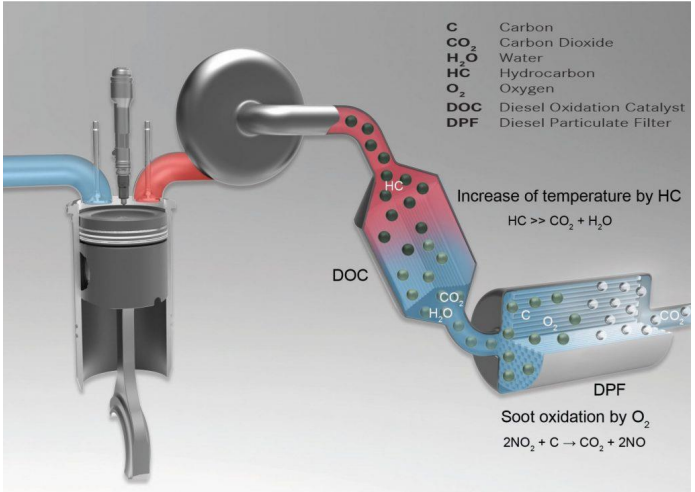
At the heart of a vehicle’s exhaust system lies the Diesel Particulate Filter, a specialized component designed to capture and remove particulate matter from the exhaust gases emitted by diesel engines. This particulate matter, composed of tiny particles and soot, is a by-product of the combustion process in diesel engines. The DPF serves as a guardian, preventing these harmful particles from being released into the atmosphere.

How DPFs Work:

Capture and Accumulation: As exhaust gases pass through the DPF, a series of porous channels trap particulate matter. This initial capture phase is crucial for preventing these particles from entering the air we breathe.

Regeneration Process: Over time, the accumulated particles create a build-up within the DPF. To prevent clogging and maintain optimal performance, DPFs undergo a process called regeneration. There are two primary types of regeneration: passive and active.

Passive Regeneration: This occurs naturally during regular driving conditions, where the exhaust temperatures are high enough to burn off the collected soot.

Active Regeneration: In cases where passive regeneration is insufficient, the engine control unit initiates active regeneration. This involves increasing exhaust temperatures through various methods, such as adjusting fuel injection or using an additional catalyst, to facilitate the burning off of accumulated particles.

Clean Exhaust Emission: Through the capture and regeneration process, DPFs ensure that the exhaust gases exiting the system are considerably cleaner, reducing the emission of harmful particulate matter into the environment.

Benefits of Diesel Particulate Filters:

Environmental Impact: DPFs play a crucial role in reducing air pollution by capturing and preventing the release of particulate matter into the atmosphere. This aligns with global efforts to mitigate the environmental impact of vehicle emissions.

Engine Performance: By maintaining a cleaner exhaust system, DPFs contribute to improved engine performance, fuel efficiency, and overall longevity. A well-functioning DPF ensures that the engine operates at its optimal level.

Regulatory Compliance: Many regions have established stringent emission standards, and DPFs are integral in helping vehicles meet these regulations. Compliance not only promotes environmental responsibility but also prevents potential fines and penalties.

In essence, Diesel Particulate Filters stand as a testament to the automotive industry’s commitment to cleaner, more sustainable transportation. By understanding the inner workings of DPFs, drivers and vehicle owners can appreciate their role in creating a healthier environment and ensuring the longevity of their vehicles. As we embrace advancements in technology, DPFs remain a cornerstone in the pursuit of a greener, more sustainable future on the roads we traverse.

Reference links:

https://www.uti.edu/blog/diesel/diesel-particulate-filters
https://en.wikipedia.org/wiki/Diesel_particulate_filter


Automotive

NAPA: How it Works | NAPA Synthetic Oil

Selecting the right engine oil can be tricky, especially with varying manufacturer requirements. Test your knowledge with four vehicles from Asia, Europe, and the U.S., each with unique oil specifications. Learn why NAPA Full Synthetic Motor Oil is the top choice for superior engine protection, performance, and longevity.

This video is sponsored by NAPA.

The post NAPA: How it Works | NAPA Synthetic Oil appeared first on Brake & Front End.


Automotive

Understanding ADAS: Blindspot Detection Systems


Blindspot detection was one of the earliest Advanced Driver Assistance Systems (ADAS) features offered on vehicles. The system alerts the driver to objects in the blind spot of the vehicle. Servicing these systems is straightforward to diagnose and repair.

Theory and Operation

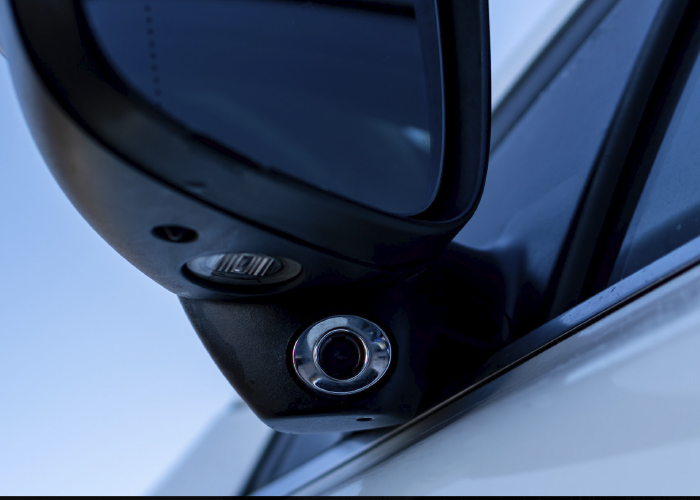
Blindspot detection systems can use radar or cameras, and some systems use both. The radar sensors emit radiowaves that bounce off objects and are received by the sensor. The sensors are mounted in the rear bumper. Camera systems will have cameras mounted to the side mirrors or A-pillar. The image from the camera is processed by a computer to classify the object. Some systems will use both radar and camera sensors to make a more accurate classification.

This information is processed to ensure the object in the blind spot is a vehicle, guard rail or pedestrian. The more info provided by the camera and radar, the fewer false alerts. 

The blind spot sensors can also be used as a cross-traffic detection system. These systems extend the range of radar sensors to detect vehicles when they are in reverse.

Inputs

Radar sensors have a range that starts at the rear of the front doors up to 20 feet behind the vehicle. Some sensors used for cross-traffic detection can extend the range of the sensors up to 230 feet. Most radar sensors process the signals internally and communicate with a module.

Cameras have what could be called a “fisheye” lens. Cameras must be able to capture images during the day and night. The images from the system are processed by a camera module and can determine if an image is headlights, road spray or snow. The cameras have a shielded cable that carries the signal from the camera to the module. 

Cameras and radar sensors are typically located in impact-prone areas. Cameras are typically in the sideview mirrors. Radar sensors are often behind or attached to the back of the rear bumper cover. These are some of the most prone areas for impacts. Always make it a point to visually inspect the vehicle and sensors for damage. Look for how the bumper covers line up with the rear quarter panel or how the mirrors sit on the door.  

Vehicle speed is an essential piece of data for radar and camera sensors. For the blind spot detection sensors to work, the vehicle has to be moving. For most vehicles, the speed is around 5 mph. How the system processes the inputs from the sensor changes as vehicle speed increases.

GM vehicles will also use GPS to control the radar components of the system. For example, if a vehicle enters the Radio Astronomy Zone or National Radio Quiet Zone in Maryland, Virginia and West Virginia, the blind spot detection will deactivate. These zones have very little background radio interference. The zones have both astronomy and military applications.

Outputs

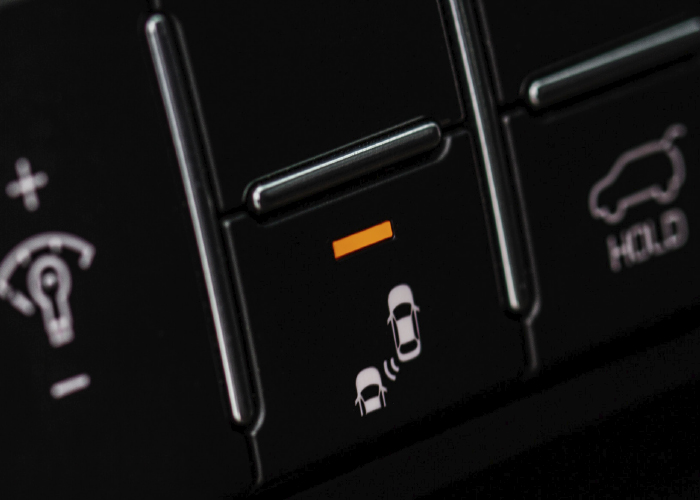
Every system uses warning lights in the sideview mirror glass to alert the driver to objects in blind spots. Some vehicles will give audio alerts. The infotainment systems on most vehicles are used to alert the driver of objects in the blind spots. The audio alerts can be sent to different speakers depending on the location of the object. Some vehicles may use a seat shaker to alert the driver. Some vehicles will shake the steering wheel. 

Early blind spot detection systems had issues with false alerts. Many drivers became annoyed with the systems and turned them off or turned down the sensitivity. More advanced systems use radar sensors, cameras and information from systems like the lane departure. More data and faster computer processors have decreased the number of false alerts. 

Calibration 

Most radar sensors have a self- or dynamic-calibration procedure. This procedure may require a scan tool to initialize the process and a test drive.

Camera systems may require calibration if the unit is replaced or moved. Some of these calibration procedures require target mats to be placed on the floor next to the vehicle. The process will require a scan tool to initiate the calibration procedure.


Automotive

The Essential Role of Effluent Treatment Plants in Automotive Industries and its Process


Water is a vital resource used in various industries for multiple purposes. In industrial settings, water is crucial for tasks such as washing, cooling, heat exchange, and steam condensation. However, water in industries is not entirely consumed; it is used and then often discharged as wastewater, requiring proper treatment before being released into the environment. Improper disposal of untreated wastewater can significantly harm the surrounding ecosystem.

In many industrial sectors, by-products that become contaminated with water are known as effluents. This water, whether treated or untreated, needs to undergo treatment to meet environmental standards before it can be safely discharged. Effluent Treatment Plants (ETPs) are designed to process such wastewater and transform it into treated effluent, which can then be safely reintroduced into the environment. In some cases, ETPs are also referred to as Sewage Treatment Plants (STPs).

The Role of Effluent Treatment in the Automotive Industry

With rapid advancements in science and technology, the automobile industry has seen a significant rise in production. This growth has, unfortunately, led to a corresponding increase in wastewater generation. The automobile sector is one of the key industries contributing to environmental pollution by releasing hazardous wastewater.

Common Pollutants in Automotive Wastewater

The automobile industry is a major consumer of water, which is used throughout the production process, such as vehicle washing, painting, and rinsing. This high-water usage generates large volumes of wastewater, containing various contaminants, including:

  • Total Suspended Solids:
    These include metals, oils, grease, detergents, dyestuffs, chromium, phosphates, paint residues, hydrofluoric acid, and ammonium bi-fluoride products.
  • Organic and Inorganic Pollutants:
    A combination of both types of pollutants is often present in automotive effluents.
  • BOD (Biological Oxygen Demand) and COD (Chemical Oxygen Demand):
    These are key indicators of the organic matter content in the wastewater, affecting its environmental impact.

Why is Effluent Treatment Plants Important?

The treatment of wastewater generated by the automotive industry is essential to prevent contamination of natural water sources. Effluent Treatment Plants (ETPs) treat this wastewater, making it safe for release or even reuse. The water treated by ETPs is environmentally safer, and in some cases, it can be recycled for use in other industrial processes. Wastewater from the automobile industry, if left untreated, poses significant risks to both human health and the environment.

The ETP Process for the Automotive Sector

Effluent Treatment Plants play a crucial role in ensuring that contaminated water is treated and meets environmental standards before being released back into natural bodies of water. The treatment process typically involves multiple stages, each targeting specific contaminants. The key stages of treatment in an ETP for the automobile industry are:

Physical Treatment
This stage involves basic processes to remove solid contaminants, such as suspended solids and oils. Techniques like screening, grit chambers, and oil and grease traps are commonly used in this stage to ensure that larger particles are removed before further treatment.

Chemical Treatment
During primary treatment, chemical processes such as coagulation, flocculation, and neutralization are employed. This process helps remove heavy solids, oils, and other light contaminants. The heavier solids settle at the bottom as primary sludge, while lighter materials float and are skimmed off. The remaining wastewater is then sent for secondary treatment.

Biological Treatment
In the secondary treatment stage, biological processes are used to eliminate dissolved and suspended organic matter. Aerobic processes, such as the activated sludge process, are commonly used in this step to treat wastewater. This stage is highly effective in reducing BOD and COD, often removing up to 90% of these pollutants.

Tertiary Treatment
The final stage of treatment is crucial for ensuring that the treated water meets regulatory standards. Tertiary treatment typically involves disinfection methods such as chlorine, ozone, or ultraviolet (UV) light treatment. It also removes any remaining suspended solids that were not captured in previous stages. The treated effluent is now of a quality that is safe to be released into the environment.

Conclusion

Effluent Treatment Plants are essential in the automobile industry to reduce environmental pollution and ensure that wastewater is treated to acceptable levels before being discharged into nature. By employing a combination of physical, chemical, and biological processes, ETPs help to mitigate the harmful impact of automotive wastewater on human health, wildlife, and the surrounding ecosystem.

References


Automotive